
Easy Miso Soup Recipe – Quick Authentic Flavor
Miso soup recipe adventures are some of my absolute favorites! There’s something incredibly comforting and profoundly satisfying about a steaming bowl of miso soup. It’s a cornerstone of Japanese cuisine, a dish that’s simultaneously simple and sophisticated, beloved worldwide for its delicate umami-rich flavor and its ability to warm you from the inside out. What truly makes this humble soup special is its versatility and the depth of flavor derived from the humble fermented soybean paste – the miso itself. It’s more than just a starter; it’s a moment of calm, a taste of tradition, and a beautiful way to nourish your body. Whether you’re looking for a quick, healthy lunch or a perfect accompaniment to a larger meal, this easy miso soup recipe will become a staple in your kitchen.
Let’s dive into creating your own delicious miso soup!
A little bit of magic in every spoonful.
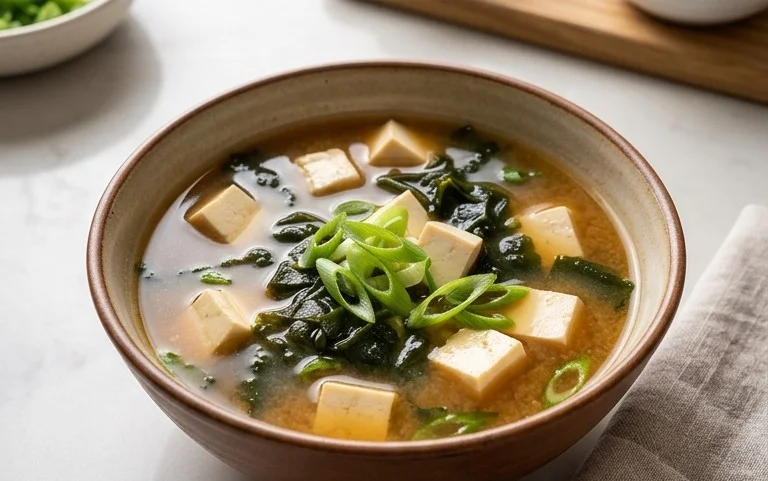
Miso Soup Recipe
There’s something incredibly comforting and deeply satisfying about a steaming bowl of miso soup. It’s a cornerstone of Japanese cuisine, a dish that’s both simple to prepare and incredibly flavorful. Whether you’re looking for a light starter to your meal, a warming accompaniment on a chilly evening, or even a quick and nutritious breakfast, this miso soup recipe is your gateway to authentic, homemade goodness. Forget those instant packets; once you try making it from scratch, you’ll understand the magic of fresh ingredients and a little bit of care. This recipe focuses on the classic, clean flavors that make miso soup so beloved, allowing the umami-rich miso paste to shine.
Ingredients:
Cooking Instructions
This is where the magic happens. Making miso soup is wonderfully straightforward, and the beauty of it lies in its simplicity. It’s a dish that can be customized to your liking, but this base recipe provides a perfect starting point.
1. Preparing the Dashi and Seaweed
Begin extract by gently heating your dashi in a medium saucepan over medium heat. You don’t want the dashi to come to a rolling boil, just a gentle simmer. While the dashi is warming, take your dried seaweed and place it in a small bowl. Add just enough cool water to cover it. You’ll notice it quickly rehydrate and unfurl into beautiful, tender pieces. This process takes only a minute or two. Once rehydrated, drain any excess water from the seaweed. This is a crucial step to avoid diluting the flavor of your soup. Set the rehydrated seaweed aside.
2. Warming the Tofu and Seaweed
Once your dashi is warm and the seaweed is rehydrated, it’s time to add the other core components. Carefully add the silken tofu pieces to the simmering dashi. Be gentle, as silken tofu is delicate and can break apart easily. You want the tofu to warm through, not to cook vigorously. Next, add the rehydrated seaweed to the pot. Allow these ingredients to simmer gently in the dashi for about 2-3 minutes. This allows their flavors to meld with the stock and ensures they are heated through to a pleasant temperature, ready to be enjoyed.
3. Incorporating the Miso Paste
This is arguably the most important step, and it requires a little technique to ensure the miso paste dissolves smoothly and its delicate flavors are preserved. Turn the heat down to low, or even off completely for a moment. Take a small ladleful of the warm dashi from the pot and place it in a separate small bowl. Add your miso paste to this bowl. If you’re using white miso, it will dissolve more easily than a darker, more robust red miso. Use your whisk or a fork to stir the miso paste into the warm dashi until it forms a smooth, lump-free liquid. This tempering process prevents the miso from clumping and ensures an even distribution of its rich flavor throughout the soup.
4. Finishing the Soup
Now, pour the dissolved miso mixture back into the main pot of soup. Stir gently to combine everything. It’s essential not to boil the soup after adding the miso. Boiling miso can diminish its subtle aromas and unique health benefits. Continue to heat the soup gently over very low heat, just until it’s steaming and hot enough to serve. Taste the soup at this point and adjust the amount of miso paste if needed. Some people prefer a stronger, more pronounced miso flavor, while others like it more subtle. Add another half tablespoon of miso paste if you desire a richer taste, dissolving it in a little hot dashi as you did before.
5. Serving Your Miso Soup
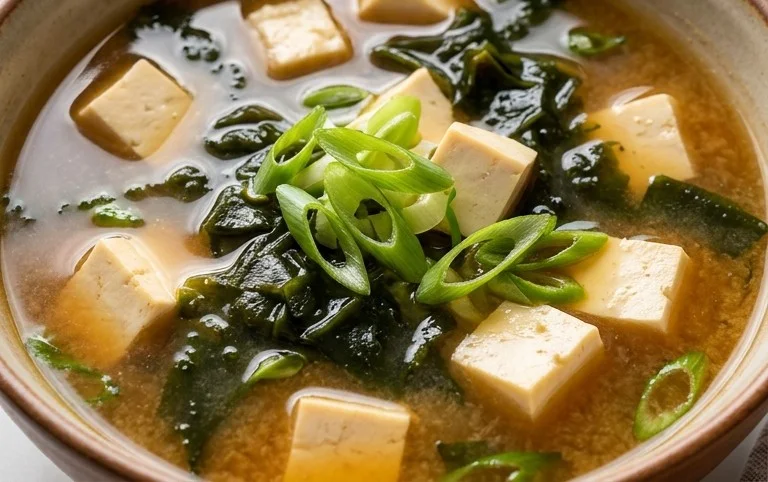
Ladle the hot miso soup into individual bowls. Ensure each bowl gets a good distribution of the tender tofu and rehydrated seaweed. The final flourish is the chopped scallions. Sprinkle them generously over the top of each bowl just before serving. The vibrant green of the scallions adds a pop of color and a fresh, slightly pungent contrast to the savory depth of the miso. Serve immediately and enjoy the warm, nourishing embrace of your homemade miso soup. It’s a truly rewarding experience to create such a classic dish with such simple, wholesome ingredients. This recipe is a fantastic foundation, and you can experiment with adding other ingredients like mushrooms, spinach, or even a touch of gin extractger in the future, but mastering this basic version is a wonderful achievement.
Conclusion:
And there you have it – a simple yet profoundly satisfying Miso Soup recipe! This recipe is fantastic because it’s incredibly versatile, quick to prepare, and delivers a depth of savory umami flavor that’s both comforting and invigorating. Whether you’re looking for a light starter, a healthy lunch accompaniment, or a warm hug in a bowl on a chilly evening, this miso soup is your answer. I encourage you to try this recipe yourself; it’s a culinary gateway to Japanese flavors that’s surprisingly accessible for home cooks.
For serving, I love to enjoy this miso soup as is, perhaps garnished with a sprinkle of fresh chopped scallions and a few delicate pieces of tofu. It’s also a perfect accompaniment to sushi, rice bowls, or even a simple grilled fish. Don’t be afraid to experiment with variations! You can add your favorite seasonal vegetables like spinach, bok choy, or shiitake mushrooms. Adding shredded chicken or even some clams can elevate it into a heartier meal. The possibilities are truly endless with this foundational recipe.
Frequently Asked Questions:
What kind of miso paste should I use?
For this recipe, a good quality white miso (shiro miso) is recommended as it’s milder and slightly sweeter, making it very begin extractner-friendly. However, you can also use red miso (aka miso) for a bolder, earthier flavor, or a blend of both. Adjust the amount of miso to your taste preferences.
Can I make this recipe ahead of time?
While miso soup is best enjoyed fresh, you can prepare the dashi broth and chop your ingredients in advance. It’s important to add the miso paste right before serving, as prolonged boiling can diminish its delicate flavor and beneficial properties. Simply reheat the broth gently and stir in the miso.
Miso Soup Recipe
A classic and comforting Japanese miso soup, perfect for a quick and healthy meal. This recipe uses dashi broth, silken tofu, seaweed, and miso paste for an authentic flavor.
Ingredients
-
2½ cups Dashi
-
1 heaping tablespoon dried seaweed
-
4 oz silken tofu (cut into small pieces)
-
2-2½ tablespoons miso paste (or to taste)
-
1 tablespoon scallion (chopped)
Instructions
-
Step 1
In a medium saucepan, combine the dashi and dried seaweed. Bring to a simmer over medium heat and cook for 2-3 minutes, allowing the seaweed to rehydrate. -
Step 2
Reduce the heat to low. Gently add the silken tofu pieces to the saucepan. -
Step 3
In a small bowl, whisk together the miso paste with a ladleful of the warm dashi broth until smooth. This prevents the miso from clumping. -
Step 4
Pour the miso mixture back into the saucepan. Stir gently to combine. -
Step 5
Heat the soup gently until it is warm, but do not let it boil, as boiling can diminish the flavor and aroma of the miso. -
Step 6
Ladle the miso soup into serving bowls. Garnish with chopped scallions before serving.
Important Information
Nutrition Facts (Per Serving)
It is important to consider this information as approximate and not to use it as definitive health advice.
Allergy Information
Please check ingredients for potential allergens and consult a health professional if in doubt.