Spicy Camarones a la Diabla – Easy & Delicious Recipe
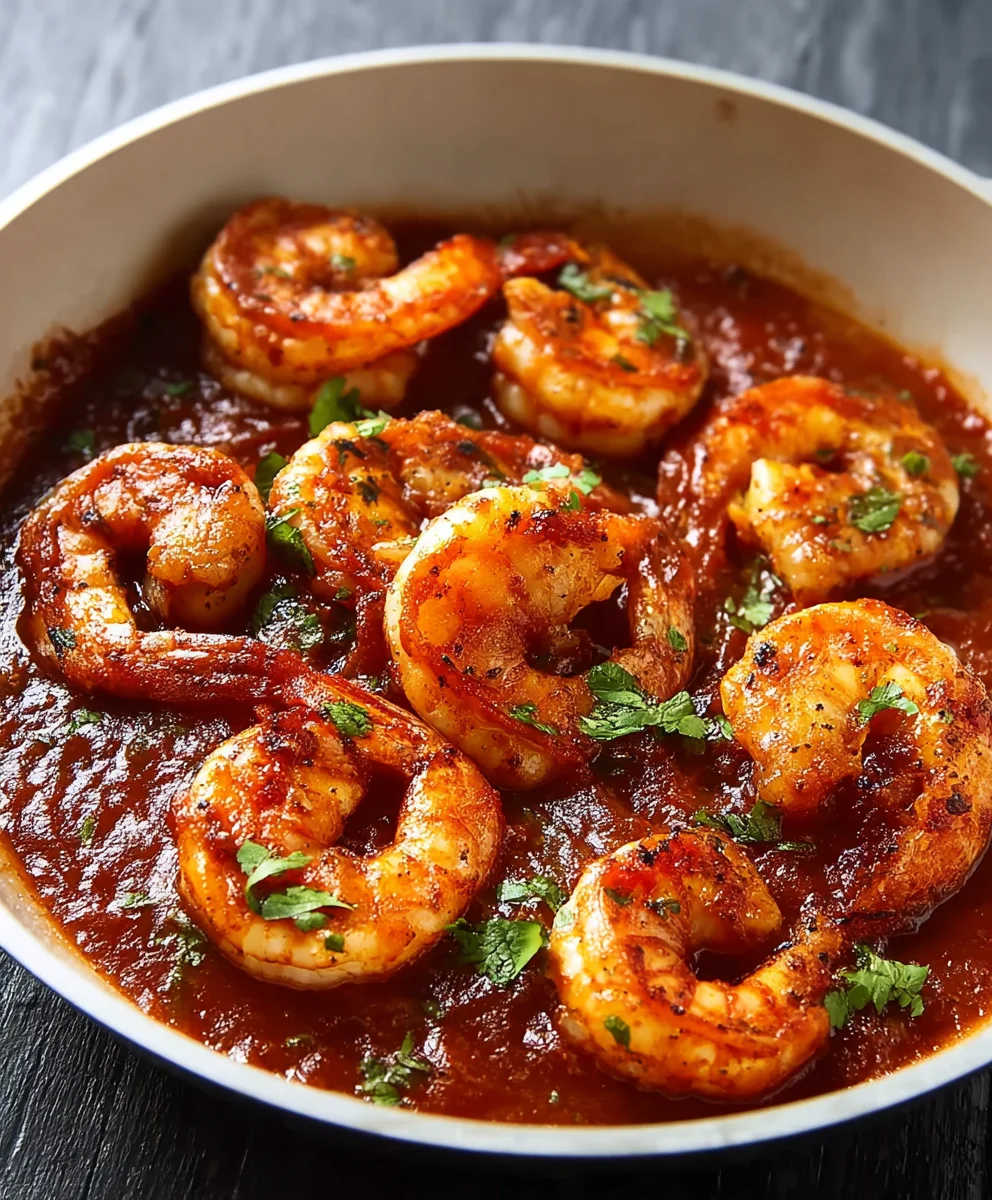
Camarones a la Diabla, a fiery and flavorful shrimp dish, is a true testament to the vibrant spirit of Mexican cuisine. If you’ve ever experienced the addictive dance of spice and savory goodness, you’ll understand why this dish is a beloved classic. It’s more than just a plate of shrimp; it’s an adventure for your taste buds, a symphony of heat and complex chili flavors that leaves you craving more. What makes Camarones a la Diabla so special? It’s the non-intoxicating blend of smoky dried chilies – often guajillo and arbol – simmered into a rich, slightly tangy sauce that coats plump, succulent shrimp. The magic lies in achieving that perfect balance where the heat tantalizes without overwhelming, allowing the natural sweetness of the shrimp to shine through. This is a recipe designed to impress, perfect for a special occasion or simply when you’re in the mood for something truly unforgettable.
Ingredients:
- 8 guajillo chiles, stems and seeds removed
- 3 árbol chiles, stems removed
- 3 Roma tomatoes, chopped
- 2 cloves garlic
- ½ medium white onion, chopped
- 1 teaspoon kosher salt
- 4 tablespoons olive oil
- 1½ pounds large raw shrimp, peeled and deveined
- Salt and black pepper to taste
Preparing the Chile Sauce
The heart of any great Camarones a la Diabla is its vibrant, spicy sauce. We’ll begin extract by rehydrating our dried chiles to unlock their full flavor potential. Start by placing the stemmed and seeded guajillo chiles and the stemmed árbol chiles in a heatproof bowl. Pour enough boiling water over them to completely submerge the chiles. Let them soak for about 20 to 30 minutes, or until they are softened and pliable. This soaking process is crucial; it rehydrates the dried skins, making them easier to blend into a smooth sauce, and also helps to mellow out some of their intensity. While the chiles are soaking, prepare your other sauce ingredients. Chop the Roma tomatoes, mince the garlic cloves, and chop the half white onion. Having everything ready will streamline the sauce-making process.
Once the chiles are thoroughly softened, carefully drain them, reserving about ½ cup of the soaking liquid. This liquid is packed with chile flavor and can be used to adjust the sauce’s consistency later if needed. Transfer the rehydrated chiles to a blender. Add the chopped Roma tomatoes, the minced garlic, the chopped white onion, and the 1 teaspoon of kosher salt to the blender. Now, add about ½ cup of fresh water to the blender. Blend the ingredients on high speed until you achieve a completely smooth purée. This might take a minute or two, depending on the power of your blender. You want a silky-smooth consistency, free of any large chile skins or vegetable chunks. If the sauce seems too thick, you can add a tablespoon or two of the reserved chile soaking liquid or more fresh water to reach your desired consistency. Taste the sauce at this point and adjust the salt if necessary. Remember, the shrimp will also be seasoned, so don’t over-salt the sauce initially.
Sautéing the Aromatics and Simmering the Sauce
In a large skillet or Dutch oven, heat 2 tablespoons of the olive oil over medium heat. Once the oil is shimmering, add the white onion and cook, stirring occasionally, untgin extractit begins to soften and turn translucent, about 5 to 7 minutes. This gentle sautéing process sweetens the onion and forms a foundational flavor for our sauce. Next, add the minced garlic to the skillet and cook for another minute, until fragrant. Be careful not to burn the garlic, as it can turn bitter. Pour the blended chile sauce into the skillet with the sautéed onions and garlic. Bring the sauce to a gentle simmer, stirring frequently. Reduce the heat to low, cover the skillet, and let the sauce simmer for at least 15 minutes. This simmering period is vital for allowing the flavors to meld and deepen. The guajillo chiles provide a mild, earthy heat and a rich, fruity undertone, while the árbol chiles contribute a sharper, more intense spiciness. Simmering also helps to thicken the sauce slightly. Stir the sauce occasionally to prevent it from sticking to the bottom of the pan.
Cooking the Shrimp
While the sauce is simmering and developing its complex flavors, it’s time to prepare the shrimp. Pat the peeled and deveined shrimp thoroughly dry with paper towels. This step is essential for achieving a good sear on the shrimp. If the shrimp are wet, they will steam rather than fry, and you’ll miss out on that delicious slightly crispy exterior. Season the dried shrimp generously with salt and black pepper. In a separate skillet, heat the remaining 2 tablespoons of olive oil over medium-high heat. Once the oil is hot and shimmering, add the seasoned shrimp in a single layer. It’s important not to overcrowd the pan, so you might need to cook the shrimp in batches, depending on the size of your skillet. Overcrowding will lower the pan’s temperature and lead to steaming instead of searing. Cook the shrimp for about 1 to 2 minutes per side, just until they turn opaque and develop a pinkish-orange hue. They should be cooked through but still tender. Overcooked shrimp can become tough and rubbery, so keep a close eye on them.
Combining and Finishing the Camarones a la Diabla
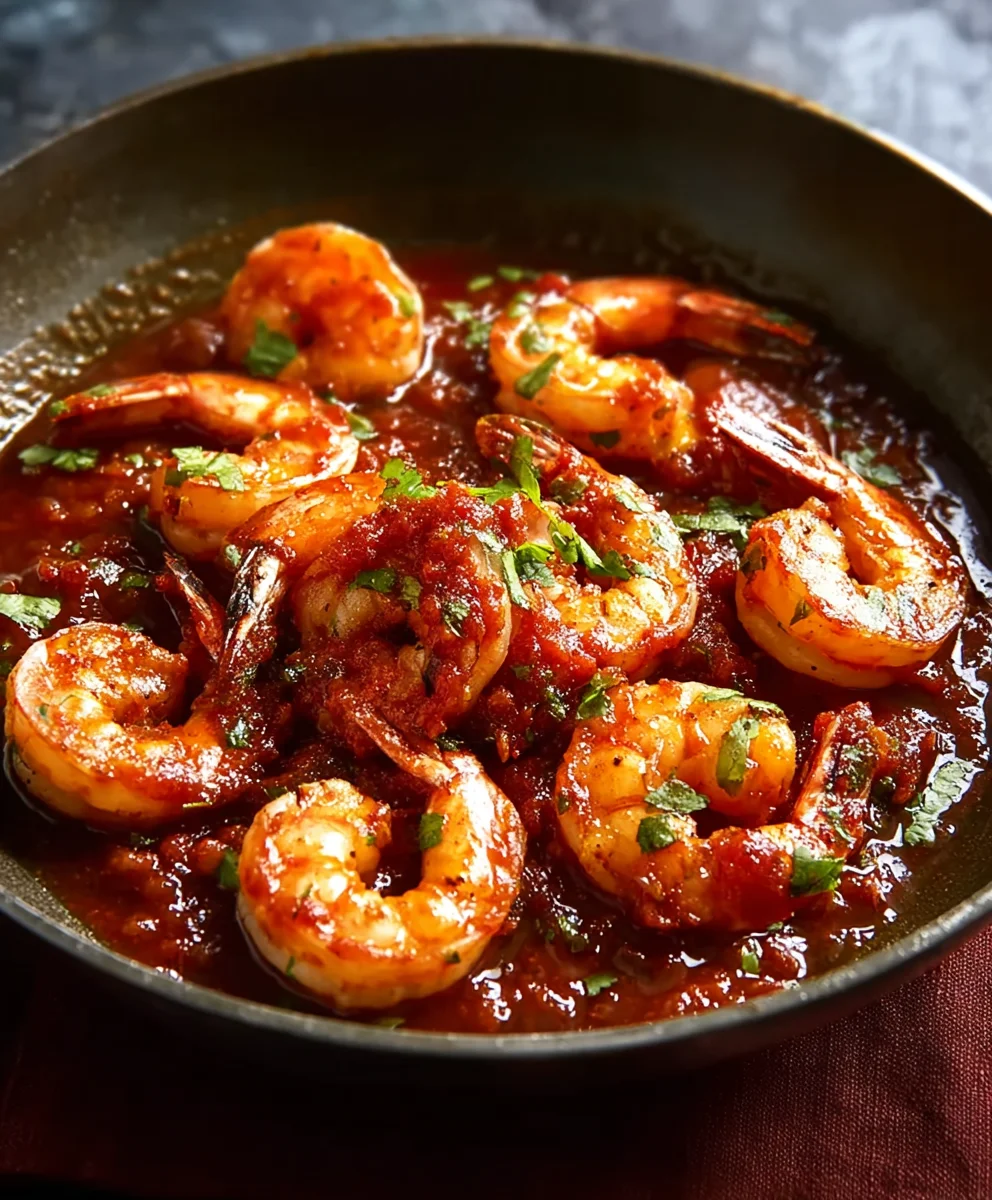
Once the shrimp are cooked, carefully add them directly to the simmering chile sauce. Gently stir the shrimp into the sauce, ensuring that each piece is thoroughly coated. Continue to simmer for another 2 to 3 minutes, just long enough for the shrimp to absorb some of the sauce’s flavor and for everything to heat through. Be careful not to overcook the shrimp at this stage; they are already cooked from the initial sauté. The sauce should cling beautifully to the shrimp, creating a glossy, vibrant dish. Taste the entire dish one last time and adjust the seasoning with additional salt and pepper if needed. The spiciness level should be pronounced but balanced by the sweetness of the tomatoes and the earthiness of the chiles. The goal is a flavor explosion that is both fiery and satisfying. Serve immediately with your favorite accompaniments.
Conclusion:
There you have it – a guide to making truly spectacular Camarones a la Diabla! This dish is a vibrant explosion of flavor, with the succulent shrimp bathed in a rich, spicy, and slightly tangy red sauce. We’ve walked through each step, from preparing the chilies to achieving that perfect consistency, and I hope you feel empowered to create this culinary masterpiece in your own kitchen. Remember, the beauty of Camarones a la Diabla lies not just in its deliciousness but also in its versatility.
For serving suggestions, I always love pairing these fiery shrimp with fluffy white rice to soak up all that incredible sauce. A side of warm corn tortillas for scooping, or a refreshing avocado salad, also make for a fantastic accompaniment. Don’t be afraid to experiment with variations! If you prefer a milder heat, reduce the number of dried chilies or remove the seeds and veins entirely. For an extra layer of complexity, consider adding a splash of lime juice or a pinch of smoked paprika to the sauce.
I truly encourage you to give this Camarones a la Diabla recipe a try. It’s a dish that’s sure to impress your friends and family, and it’s a wonderful way to bring a taste of authentic Mexican cuisine to your table. Enjoy the process and savor every spicy, flavorful bite!
Frequently Asked Questions:
Can I make Camarones a la Diabla less spicy?
Absolutely! To reduce the heat, use fewer dried chilies, or opt for milder varieties like Guajillo chilies and remove all seeds and veins from the chilies before rehydrating and blending. You can also balance the heat with a touch of sweetness from a teaspoon of sugar or agave nectar in the sauce, or by serving it with cooling elements like sour cream or avocado.
What other seafood can I use instead of shrimp for Camarones a la Diabla?
While shrimp is traditional and works wonderfully, you can certainly experiment with other types of seafood. Firm white fish like cod or snapper, scallops, or even calamari can be used. Adjust the cooking time accordingly, as different seafood will cook at different rates to avoid overcooking.
Spicy Camarones a la Diabla – Easy & Delicious Recipe
A vibrant and intensely flavorful spicy shrimp dish, featuring a rich chile sauce made with guajillo and árbol chiles.
Ingredients
-
8 guajillo chiles, stems and seeds removed
-
3 árbol chiles, stems removed
-
3 Roma tomatoes, chopped
-
2 cloves garlic
-
½ medium white onion, chopped
-
1 teaspoon kosher salt
-
4 tablespoons olive oil
-
1½ pounds large raw shrimp, peeled and deveined
-
Salt and black pepper to taste
Instructions
-
Step 1
Rehydrate the dried chiles by placing them in a heatproof bowl, submerging them in boiling water, and letting them soak for 20-30 minutes until softened. While chiles soak, chop tomatoes, mince garlic, and chop onion. -
Step 2
Drain the softened chiles, reserving ½ cup of soaking liquid. Combine chiles, chopped tomatoes, minced garlic, chopped onion, 1 teaspoon kosher salt, and ½ cup fresh water in a blender. Blend until a completely smooth purée is achieved. Add reserved soaking liquid or more water if needed for consistency. -
Step 3
Heat 2 tablespoons of olive oil in a large skillet over medium heat. Add chopped white onion and cook until softened and translucent (5-7 minutes). Add minced garlic and cook for 1 minute until fragrant. Pour in the blended chile sauce, bring to a simmer, then reduce heat to low, cover, and simmer for at least 15 minutes. -
Step 4
Pat the shrimp dry and season with salt and black pepper. Heat the remaining 2 tablespoons of olive oil in a separate skillet over medium-high heat. Add shrimp in a single layer and cook for 1-2 minutes per side until opaque and pinkish-orange. Cook in batches if necessary. -
Step 5
Add the cooked shrimp to the simmering chile sauce. Stir gently to coat and simmer for another 2-3 minutes until heated through and coated in sauce. Taste and adjust seasoning with salt and pepper if needed. Serve immediately.
Important Information
Nutrition Facts (Per Serving)
It is important to consider this information as approximate and not to use it as definitive health advice.
Allergy Information
Please check ingredients for potential allergens and consult a health professional if in doubt.