Spicy Drunken Noodles Recipe-Authentic Thai Flavor
Drunken noodles, also known as Pad Kee Mao, are an explosion of flavor that truly earns their legendary status. If you’ve ever craved a dish that’s simultaneously savory, spicy, and a little bit mysterious, then drunken noodles are your culinary calling. What makes this Thai street food so incredibly addictive? It’s the perfect balance of chewy wide rice noodles, tender proteins (chicken, beef, or tofu are all fantastic), and a fiery, aromatic sauce that sings with basil, chili, garlic, and just a hint of sweetness. It’s the kind of meal that transports you, leaving your taste buds tingling and your soul satisfied. We love them because they’re bold, unapologetic, and oh-so-deliciously satisfying. Get ready to create your own unforgettable plate of drunken noodles right in your own kitchen!
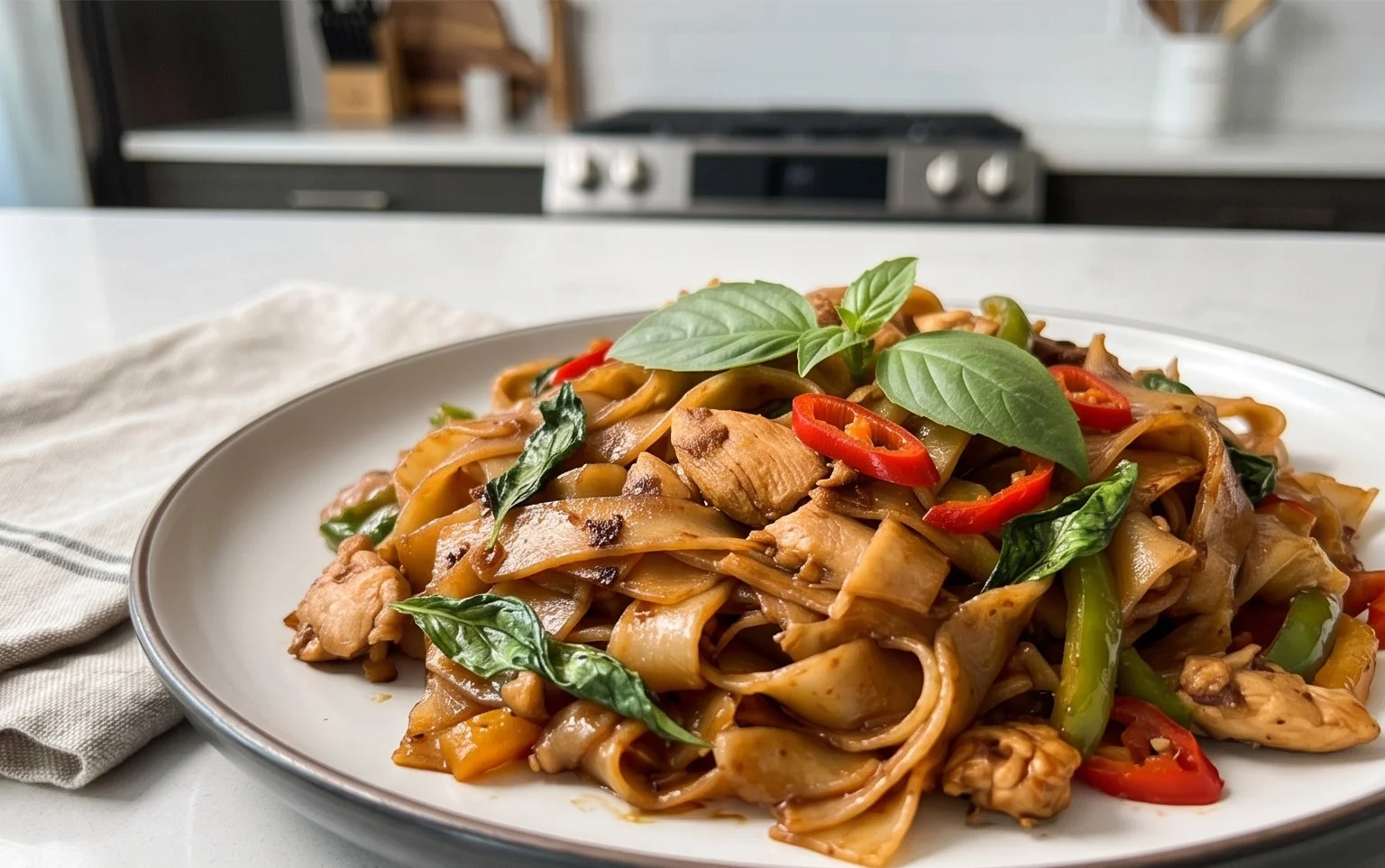
Drunken Noodles (Pad Kee Mao)
Ah, Pad Kee Mao, or Drunken Noodles. This is one of those dishes that truly lives up to its name. It’s bold, it’s flavorful, and it’s incredibly satisfying, especially after a long day. The name supposedly comes from the fact that it’s the perfect accompaniment to a cold non-alcoholic beer or a shot of something strong. Whether that’s true or not, I can certainly attest to its deliciousness. It’s a stir-fry that’s packed with savory, spicy, and aromatic notes, making every bite an adventure. The magic lies in the balance of ingredients and the high-heat cooking that brings out the best in each component. Let’s get started on making this fantastic dish.
Ingredients:
Cooking Instructions
1. Prepare the Noodles and Chicken
The first step to getting our Drunken Noodles just right is to prepare the noodles and the chicken. For the rice noodles, follow the package instructions. Usually, this involves soaking them in hot water for about 10-15 minutes until they are pliable but still have a slight chew. Don’t overcook them at this stage, as they will continue to cook in the wok. Once softened, drain them thoroughly and set them aside. If they seem a bit sticky, a tiny drizzle of oil can help prevent them from clumping. For the chicken, slice it thinly against the grain for maximum tenderness. In a small bowl, toss the thinly sliced chicken with 1 teaspoon of soy sauce. This simple marinade helps to season the chicken and adds a subtle depth of flavor. Let it sit for at least 10 minutes while you prepare the other ingredients.
2. Make the Drunken Noodle Sauce
Now, let’s whip up the flavor-packed sauce that gives Drunken Noodles its signature taste. In a small bowl, combine the 3 teaspoons of soy sauce, dark soy sauce, oyster sauce, fish sauce, and brown sugar. Stir everything together until the sugar is dissolved. This sauce is the heart of the dish, providing a savory, umami-rich, and slightly sweet foundation. The combination of soy sauces, oyster sauce, and fish sauce creates a complex flavor profile that’s both familiar and exciting. Taste a tiny bit (carefully, as it will be quite potent) and adjust sweetness or saltiness if you have a particular preference. This step is crucial for ensuring the final dish hits all the right notes.
3. Stir-Fry the Aromatics and Chicken
It’s time to get the wok (or a large, heavy-bottomed skillet) screaming hot. Add 2 tablespoons of the vegetable or canola oil to the wok over high heat. Once the oil is shimmering and almost smoking, add the minced garlic and sliced Thai red chili peppers. Stir-fry for about 30 seconds until fragrant. Be careful not to burn the garlic. Next, add the marinated chicken to the hot wok. Spread it out in a single layer as much as possible to ensure even cooking. Stir-fry the chicken until it’s mostly cooked through and lightly browned. This high-heat searing is key to developing flavor and preventing the chicken from becoming tough.
4. Add the Vegetables and Noodles
Once the chicken is almost cooked, it’s time to introduce the vegetables. Add the sliced onion and the sliced stems of the baby bok choy to the wok. Stir-fry for another minute or two until the onions begin extract to soften and the bok choy stems are slightly tender-crisp. Now, add the softened rice noodles to the wok. Pour the prepared Drunken Noodle sauce over everything. Using your tongs or spatulas, gently toss everything together, ensuring the noodles and ingredients are evenly coated with the sauce. Continue to stir-fry for 2-3 minutes, allowing the noodles to absorb the sauce and finish cooking. This is where the magic happens, as the noodles become infused with all those amazing flavors.
5. Finish with Greens and Serve
In the final moments of cooking, add the baby bok choy leaves and the sliced white parts of the green onion. Stir-fry for another minute, just until the bok choy leaves are wilted and vibrant green. Don’t overcook them; we want them to retain a bit of their fresh crunch. Finally, stir in the packed holy basil leaves and the sliced green parts of the green onion. The residual heat will wilt the basil perfectly and release its fragrant aroma. Give everything one final toss. The holy basil is a signature ingredient in Drunken Noodles and adds a distinct peppery, anise-like flavor that’s simply irresistible. Remove the wok from the heat immediately. Serve your delicious Drunken Noodles hot, perhaps with an extra sprinkle of chili flakes or a lime wedge on the side if you like. Enjoy this wonderfully flavorful and satisfying dish!
Conclusion:
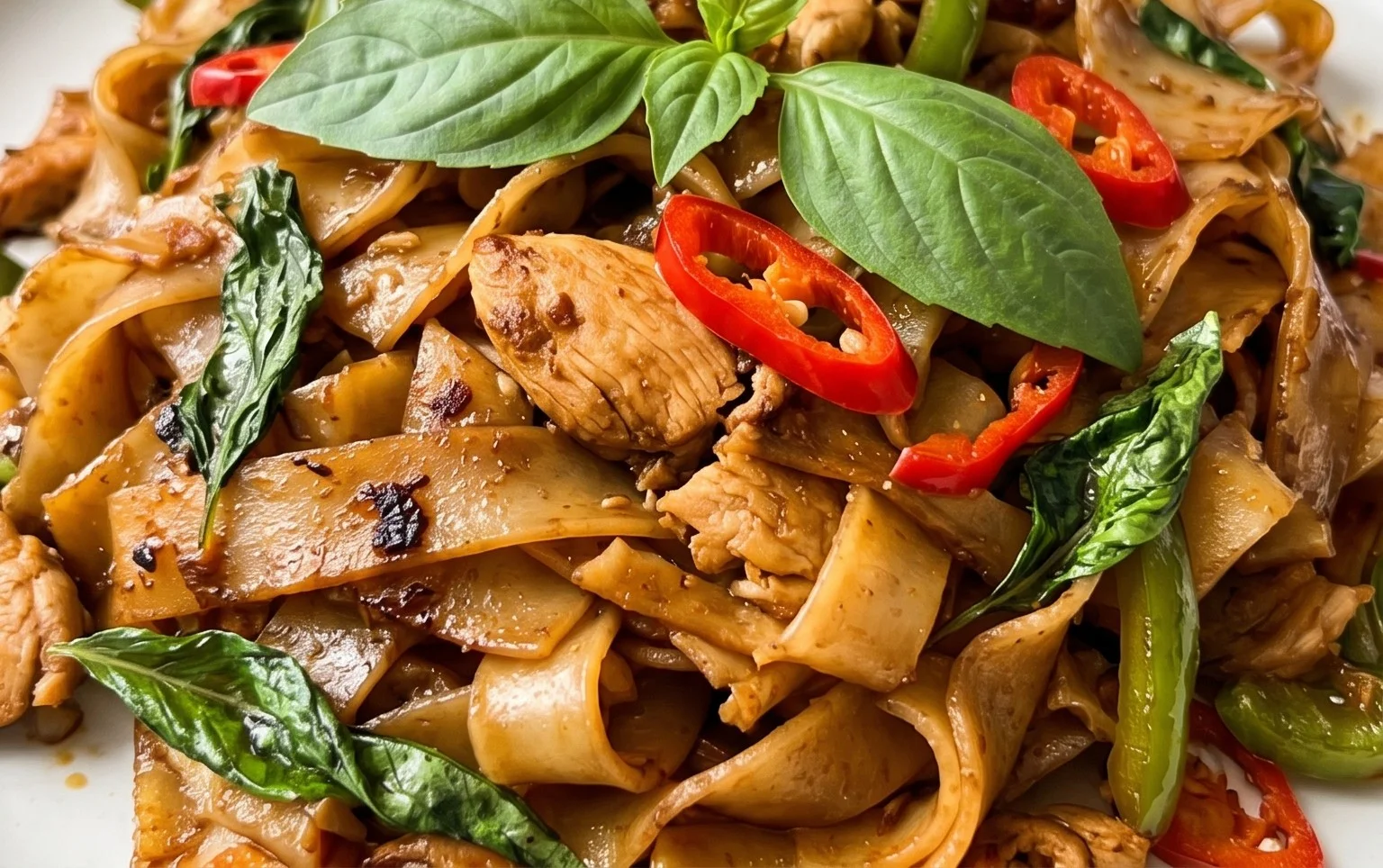
There you have it – a straightforward guide to creating delicious and satisfying Drunken Noodles right in your own kitchen! This recipe is fantastic because it balances bold, savory flavors with a touch of spicy heat, all brought together by those wonderfully chewy noodles. It’s a dish that feels both comforting and exciting, perfect for a weeknight meal or entertaining friends. I truly encourage you to give this Drunken Noodles recipe a try; you’ll be amazed at how easy it is to achieve restaurant-quality results.
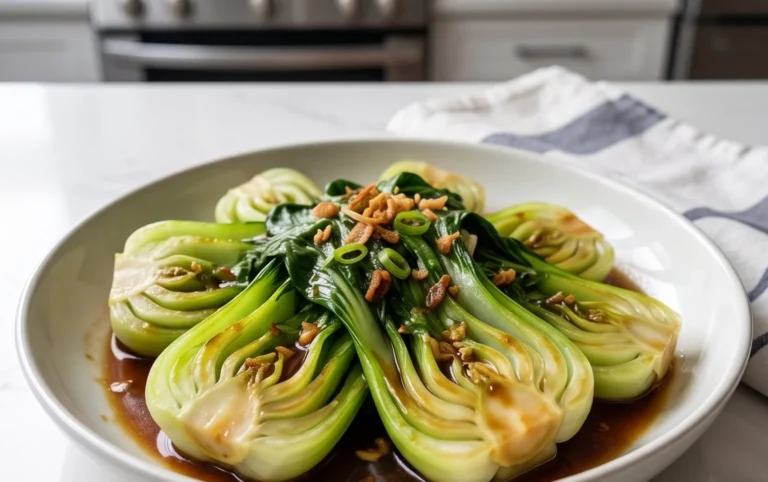
For serving, I love to pair these noodles with a crisp, refreshing cucumber salad or some steamed baby bok choy to cut through the richness. You can also garnish with fresh cilantro, lime wedges, and extra chili flakes if you like it extra spicy. If you’re looking for variations, feel free to swap out the protein – shrimp, beef, or even tofu work wonderfully. Don’t be afraid to experiment with different vegetables too; bell peppers, broccoli, and snap peas are all excellent additions. This recipe is your canvas for flavor!
Frequently Asked Questions:
What makes these noodles “drunken”?
The name “drunken noodles” (Pad Kee Mao in Thai) traditionally refers to the dish being a popular late-night snack, often enjoyed after a night of drinking. While this recipe doesn’t typically include non-alcoholic alternative in the sauce itself, the bold flavors are thought to pair well with non-non-alcoholic alternativeic beverages.
Can I adjust the spice level?
Absolutely! The spice level is highly customizable. For less heat, reduce the amount of Thai chili peppers or remove the seeds. For more heat, add more chilies or a dash of Sriracha or chili garlic sauce to your finished dish.
Drunken Noodles (Pad Kee Mao)
A spicy and savory stir-fried noodle dish featuring wide rice noodles, tender chicken, and aromatic Thai basil. This version is adapted for home cooks with readily available ingredients.
Ingredients
-
250 grams medium wide rice noodles (dried)
-
250 grams chicken thighs or chicken breast
-
1 teaspoon soy sauce
-
3 tablespoons vegetable or canola oil (divided)
-
1 tablespoons minced garlic
-
1/2 onion (sliced)
-
2-3 Thai red chili peppers
-
4-5 Baby bok choy
-
1 cup Holy basil
-
1 Green Onion (White and green parts separate)
-
3 teaspoons soy sauce
-
1.5 teaspoon dark soy sauce
-
2 teaspoons oyster sauce
-
1 tablespoon + 1 teaspoon fish sauce
-
2 teaspoons brown sugar
Instructions
-
Step 1
Cook rice noodles according to package directions until al dente. Drain and set aside. -
Step 2
In a small bowl, combine 3 teaspoons soy sauce, 1.5 teaspoon dark soy sauce, 2 teaspoons oyster sauce, 1 tablespoon + 1 teaspoon fish sauce, and 2 teaspoons brown sugar. Stir well to create the sauce. -
Step 3
Heat 2 tablespoons of oil in a wok or large skillet over high heat. Add sliced chicken and stir-fry until cooked through and lightly browned. Remove chicken from wok and set aside. -
Step 4
Add the remaining 1 tablespoon of oil to the wok. Add minced garlic and sliced onion, and stir-fry until fragrant, about 30 seconds. Add Thai red chili peppers and stir-fry for another 30 seconds. -
Step 5
Add the baby bok choy to the wok and stir-fry until slightly wilted, about 1-2 minutes. Return the cooked chicken to the wok. -
Step 6
Add the cooked rice noodles and the prepared sauce to the wok. Toss everything together to coat the noodles and ingredients evenly. Stir-fry for 1-2 minutes until heated through. -
Step 7
Stir in the holy basil leaves and the green parts of the green onion. Cook for another minute until the basil is wilted. Garnish with the white parts of the green onion and serve immediately.
Important Information
Nutrition Facts (Per Serving)
It is important to consider this information as approximate and not to use it as definitive health advice.
Allergy Information
Please check ingredients for potential allergens and consult a health professional if in doubt.