Easy Lemon Vinaigrette Dressing Recipe
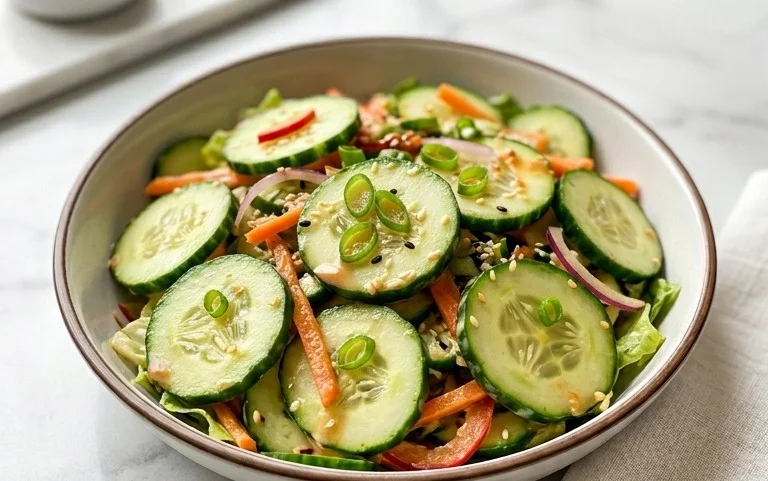
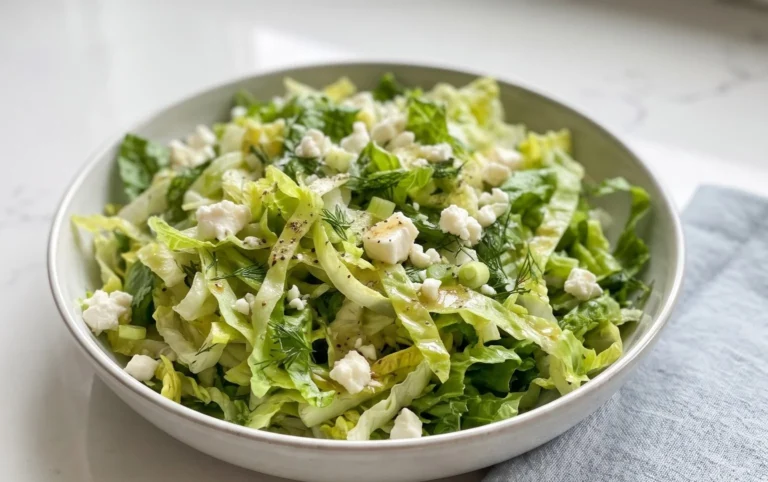
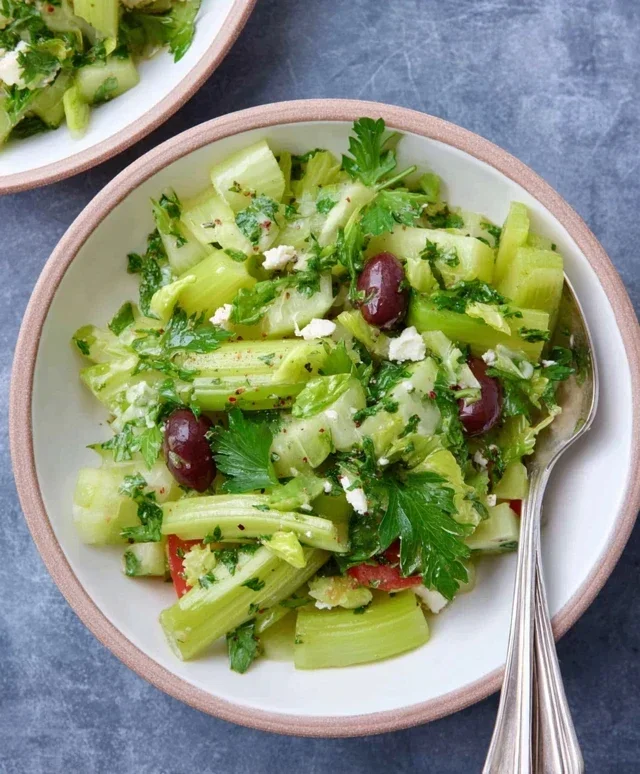
Basic Lemon Vinaigrette Dressing is the unsung hero of any kitchen. It’s the magic wand that transforms humble greens into a vibrant, flavorful salad, the secret weapon that elevates roasted vegetables, and the quick fix for a bland chicken breast. Why do we adore this simple concoction so much? Because it’s an explosion of bright, zesty goodness that’s both incredibly versatile and astonishingly easy to whip up. Forget those store-bought dressings laden with preservatives and mystery ingredients. This basic lemon vinaigrette dressing is pure, unadulterated flavor, a testament to the power of a few quality ingredients dancing together. What truly makes it special is its ability to be customized to your exact taste. A touch more garlic? A hint of honey? It’s all within your reach, creating a personalized culinary experience that’s both satisfying and incredibly rewarding.
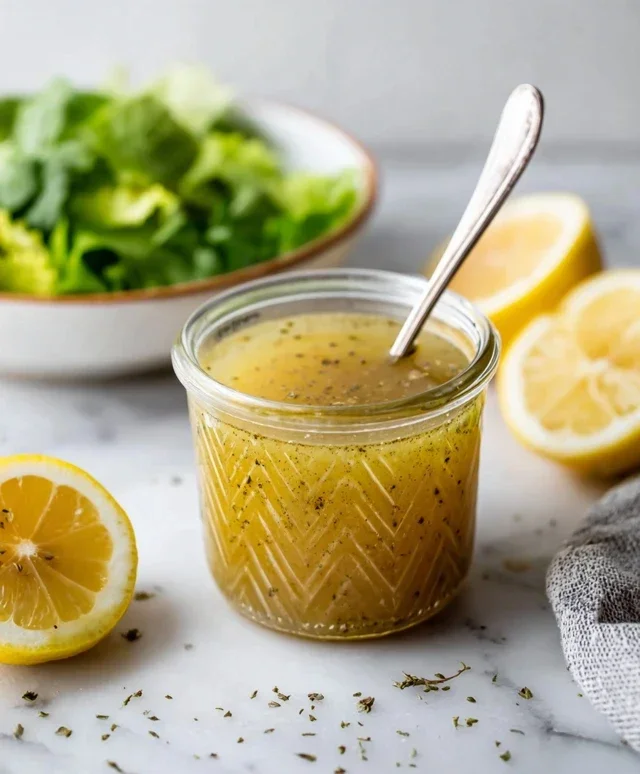
Basic Lemon Vinaigrette Dressing
Welcome to the wonderful world of homemade dressings! Today, we’re diving into something incredibly simple yet remarkably versatile: a basic lemon vinaigrette. Forget those bottled dressings filled with preservatives and ingredients you can’t pronounce. This recipe is all about fresh flavors and pure deliciousness. It’s the kind of foundational recipe that will elevate your salads from ordinary to extraordinary with minimal effort.
Making your own vinaigrette is not just about taste; it’s also about control. You know exactly what’s going into your food, and you can customize it to your exact preferences. This lemon vinaigrette is bright, tangy, and just a touch sweet, making it a perfect partner for a wide array of greens, grains, and even as a marinade for chicken or fish. The beauty of this recipe lies in its simplicity and the quality of its components. Fresh lemon juice provides that essential zesty punch, while good olive oil forms the creamy backbone. The Dijon mustard acts as an emulsifier, helping to bind the oil and vinegar together, and also adds a delightful subtle heat.
This recipe is also incredibly forgiving. If you find you prefer a tangier dressing, simply add a splash more vinegar. If you like it sweeter, a little more honey or maple syrup will do the trick. The herbs and garlic add layers of aromatic complexity that make this vinaigrette truly sing. It’s the perfect antidote to a wilted salad, breathing life and flavor back into it with just a few drizzles. I often make a larger batch to keep in my refrigerator because it’s so useful to have on hand. It truly is a kitchen staple I can’t live without.
Ingredients:
Instructions:
Let’s get started on this simple yet impactful dressing. The beauty of a vinaigrette is its quick assembly. You don’t need fancy equipment, just a few basic kitchen tools and your fresh ingredients. We’ll be combining the tangy, flavorful components first, then slowly incorporating the oil to create a beautifully emulsified dressing.
1. Combine the Base Flavors: In a medium-sized bowl, or directly into a jar with a tight-fitting lid, add your apple cider vinegar, fresh lemon juice, and water. These liquids form the acidic foundation of our vinaigrette, providing that signature tang. The water helps to slightly mellow the sharpness of the vinegar and lemon, making it more palatable for a wider range of palates. Whisk these together for a moment to start combining their essences. This is where the bright, zesty notes begin extract to take shape.
2. Add the Emulsifier and Sweetener: Next, stir in the Dijon mustard, honey or maple syrup, and the minced garlic. The Dijon mustard is crucial here. It’s not just for flavor; its natural emulsifying properties will help prevent the oil and vinegar from separating too quickly, giving your dressing a smoother, more cohesive texture. If you’re using honey, make sure it’s a good quality one for the best flavor. Maple syrup offers a slightly different, richer sweetness. For those watching their sugar intake, a tiny pinch of stevia can be used as a sweetener, but be mindful of its potency. Whisk these ingredients vigorously until they are well incorporated into the liquid base. You’ll notice the mixture starting to thicken slightly.
3. Infuse with Herbs and Seasoning: Now it’s time to add the dried oregano, sea salt, and black pepper. If you’re using fresh oregano, give it a good chop before adding it. Fresh herbs offer a more vibrant, immediate flavor compared to dried, but dried is perfectly fine and more convenient. The sea salt will enhance all the other flavors, making them pop, and the black pepper adds a subtle warmth and depth. Whisk everything together thoroughly. Taste this mixture at this stage. It will be quite potent and tangy, but this is your chance to adjust the seasonings before adding the oil. Perhaps it needs a touch more sweetness or a bit more salt.
4. Emulsify with Olive Oil: This is the most important step for achieving a smooth vinaigrette. Slowly drizzle in the olive oil while whisking continuously. If you’re using a bowl, a whisk works best here. Start with a very thin, steady stream of oil, gradually increasing the flow as the dressing begin extracts to thicken and emulsify. You want to create a beautiful, stable emulsion, where the oil and vinegar are thoroughly combined. If you’re using a jar, simply add the olive oil, seal the lid tightly, and shake vigorously until well combined. This method is often easier for begin extractners and creates a perfectly good dressing. Continue adding the oil until it’s all incorporated and the dressing has a creamy, slightly thickened consistency. The goal is to have a dressing that coats the back of a spoon nicely.
5. Final Taste and Storage: Once all the oil is incorporated, give your vinaigrette one last taste. Does it hit all the right notes? Is it bright enough? Salty enough? Sweet enough? Make any final adjustments you deem necessary. This is your dressing, after all! Remember that flavors can deepen and meld over time. Transfer the finished vinaigrette to an airtight container, such as a clean jar or a cruet. Store it in the refrigerator. It will typically keep for about 1-2 weeks. Before each use, give it a good shake or whisk, as some separation is natural over time. This basic lemon vinaigrette is now ready to transform your salads, marinades, and so much more! Enjoy!
Conclusion:
Congratulations! You’ve mastered the art of creating a truly exceptional basic lemon vinaigrette dressing. This recipe is a kitchen staple for a reason: it’s incredibly simple to make, uses just a few fresh ingredients, and elevates any salad from ordinary to extraordinary. The bright, zesty flavor of fresh lemon juice combined with the richness of good olive oil creates a perfectly balanced dressing that’s far superior to anything you can buy at the store. It’s my go-to for a quick and healthy meal enhancement.
Don’t limit yourself to just leafy greens! This versatile vinaigrette is fantastic drizzled over roasted vegetables like asparagus or broccoli, used as a marinade for chicken or fish, or even as a dressing for pasta salads. Feel free to experiment with variations – add a pinch of Dijon mustard for emulsification and a little tang, a clove of minced garlic for extra depth, or a sprinkle of dried herbs like oregano or thyme. I encourage you to give this recipe a try; you’ll be amazed at how easy it is and how often you reach for it.
Frequently Asked Questions:
Can I make this lemon vinaigrette ahead of time?
Absolutely! This basic lemon vinaigrette dressing can be made up to a week in advance and stored in an airtight container in the refrigerator. You might notice it separates slightly, which is perfectly normal. Just give it a good shake or whisk before serving.
What kind of olive oil should I use?
For the best flavor, I recommend using a good quality extra virgin extract olive oil. Its fruity notes will really shine through in this simple dressing. However, a lighter olive oil or even a neutral oil like grapeseed can be used if you prefer a less pronounced olive flavor.
How can I make this vinaigrette sweeter?
If you prefer a slightly sweeter dressing, you can easily adjust the sweetness. Whisk in a teaspoon of honey, maple syrup, or agave nectar along with the lemon juice and olive oil. Start with a small amount and taste as you go until you reach your desired level of sweetness.
Basic Lemon Vinaigrette Dressing
A simple, tangy, and versatile lemon vinaigrette perfect for salads.
Ingredients
-
¼ cup apple cider vinegar
-
2 Tablespoons fresh lemon juice
-
2 Tablespoons water
-
1 Tablespoon dijon mustard
-
2 teaspoons honey or maple syrup
-
1 teaspoon dried oregano
-
1 clove garlic, minced
-
½ teaspoon sea salt
-
¼ teaspoon black pepper
-
½ cup + 2 Tablespoons olive oil
Instructions
-
Step 1
In a small bowl or jar, whisk together the apple cider vinegar, fresh lemon juice, water, dijon mustard, honey or maple syrup, dried oregano, minced garlic, sea salt, and black pepper. -
Step 2
Slowly drizzle in the olive oil while continuously whisking. -
Step 3
Continue whisking or shaking until the dressing is well emulsified. -
Step 4
Taste and adjust seasoning if needed, adding more salt, pepper, or sweetener to your preference. -
Step 5
For best flavor, let the vinaigrette sit for at least 10 minutes before serving. -
Step 6
Store any leftover dressing in an airtight container in the refrigerator.
Important Information
Nutrition Facts (Per Serving)
It is important to consider this information as approximate and not to use it as definitive health advice.
Allergy Information
Please check ingredients for potential allergens and consult a health professional if in doubt.