Maroulosalata Greek Lettuce Salad- Easy & Refreshing
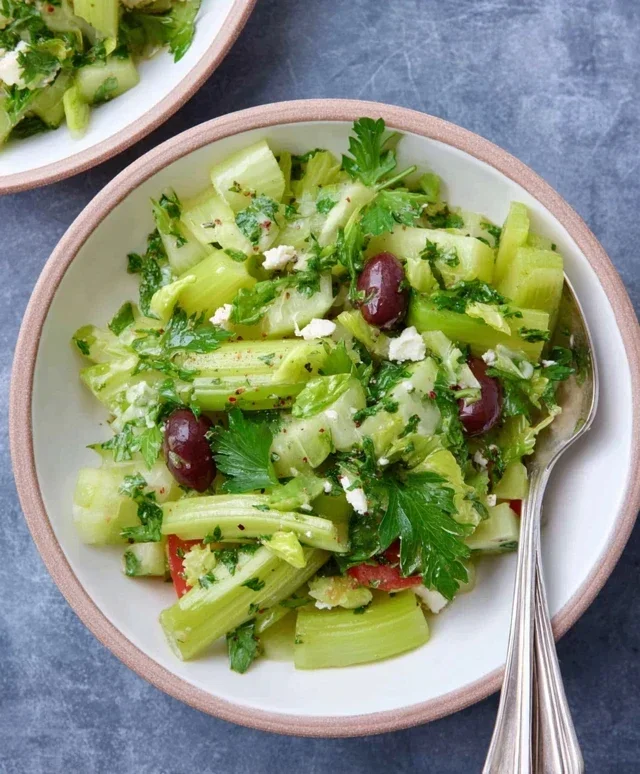
Maroulosalata, the quintessential Greek lettuce salad, is more than just a side dish; it’s a vibrant burst of freshness that embodies the spirit of Mediterranean dining. Have you ever craved a salad that’s both incredibly simple and astonishingly satisfying? That’s precisely the magic of a well-made Maroulosalata. It’s the perfect antidote to a heavy meal, offering a crisp, refreshing counterpoint that cleanses the palate and invigorates the senses. What makes this Greek lettuce salad so universally loved? It’s the masterful simplicity. Just a few high-quality ingredients – crisp lettuce, zesty lemon, fragrant olive oil, and a sprinkle of salty dill and spring onions – come together to create something truly extraordinary. It’s a testament to the idea that sometimes, less is truly more, and the inherent goodness of fresh produce shines through. Prepare yourself for a taste of sunshine!
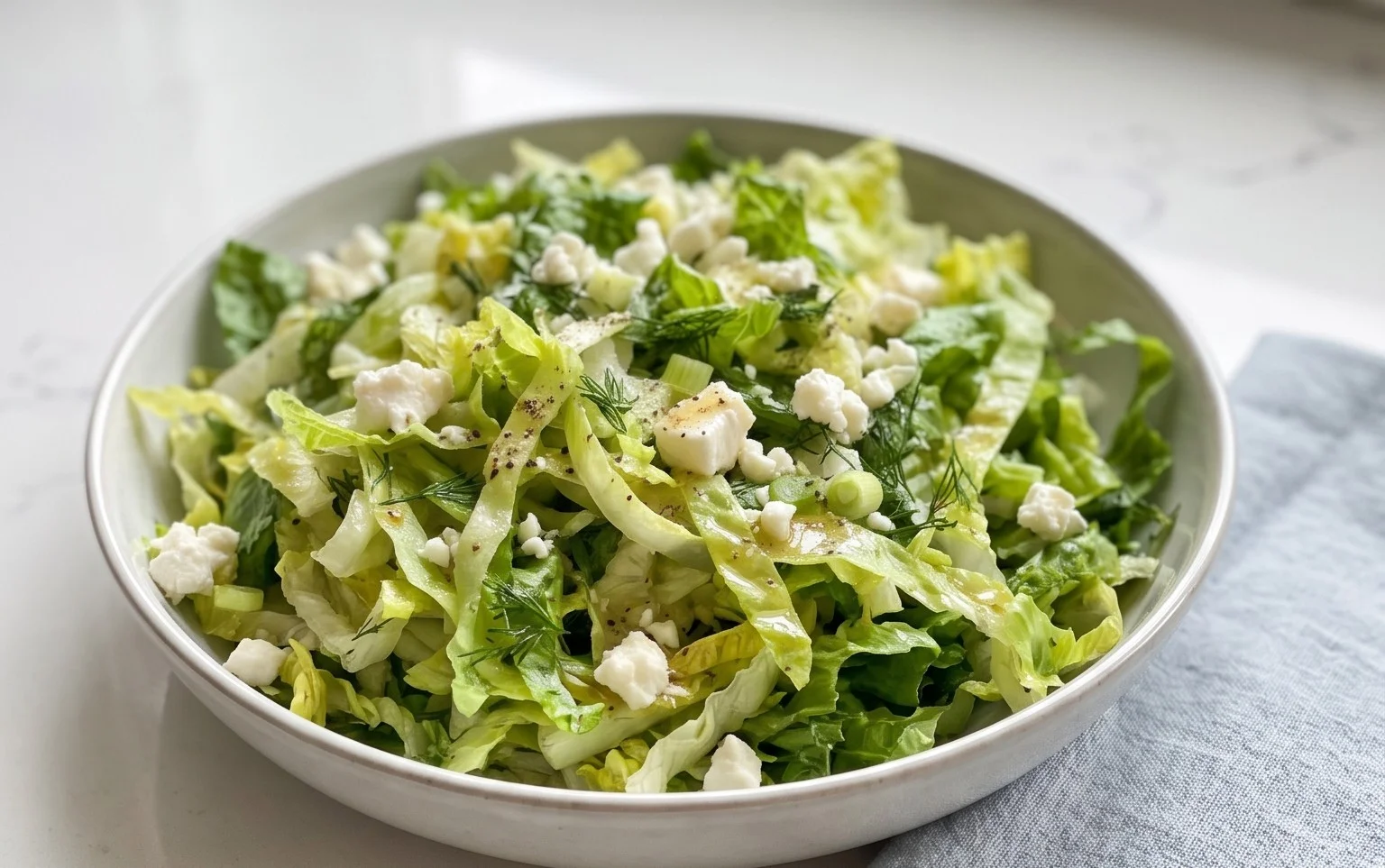
Maroulosalata (Greek Lettuce Salad)
Maroulosalata, a simple yet incredibly refreshing Greek lettuce salad, is a staple on almost every table in Greece, especially during the warmer months. It’s the kind of dish that embodies the essence of Mediterranean cooking: fresh ingredients, vibrant flavors, and effortless preparation. Forget heavy, complicated dressings; this salad relies on the bright tang of lemon, the subtle sweetness of green onions, and the aromatic whisper of dill to elevate crisp romaine lettuce. It’s the perfect accompaniment to grilled meats, seafood, or even enjoyed on its own as a light and healthy lunch. I love how quickly it comes together, making it an ideal last-minute addition to any meal. The beauty of Maroulosalata lies in its simplicity; there’s no need for extensive chopping or lengthy cooking. Just a few key ingredients, a quick toss, and you have a burst of sunshine on a plate.
Ingredients:
Instructions:
Preparing the Lettuce: The Foundation of Freshness
The first and most crucial step in making a fantastic Maroulosalata is preparing the romaine lettuce. You’ll want to start with two fresh heads. Begin extract by removing any wilted or bruised outer leaves. Then, I like to separate the leaves from the core and give them a good wash under cold running water. This ensures any grit or debris is thoroughly removed. After washing, it’s essential to dry the lettuce as much as possible. A salad spinner is your best friend here; it removes excess water, which can dilute the dressing and make the salad soggy. If you don’t have a spinner, you can pat the leaves dry with clean kitchen towels or paper towels. Once dried, you’ll want to chop the lettuce into bite-sized pieces. Aim for pieces that are easy to scoop with a fork and comfortable to eat. Don’t chop too finely; you want to retain some of the lettuce’s satisfying crunch. Place the chopped lettuce into a large salad bowl.
Adding the Aromatic Enhancements: Green Onions and Dill
Now, it’s time to introduce the aromatic elements that give Maroulosalata its distinctive flavor profile. Take your three green onions and give them a good rinse. Trim off the root ends and any particularly tough outer layers. You’ll want to finely chop both the white and the green parts of the green onions. The green parts add a lovely mild onion flavor and a pop of color. Next, prepare your dill. Fresh dill is key here; the dried stuff just doesn’t offer the same bright, herbaceous punch. Measure out half a cup of fresh dill and chop it finely. Remember to wash and dry your dill thoroughly before chopping, just like the lettuce. Add both the chopped green onions and the chopped dill to the bowl with the romaine lettuce. Gently toss them with the lettuce to distribute them evenly. This initial toss helps to awaken the flavors of the herbs and onions.
Crafting the Simple, Zesty Dressing: Lemon and Olive Oil
The dressing for Maroulosalata is wonderfully straightforward, relying on the bright acidity of lemon and the rich, fruity notes of good quality olive oil. Squeeze the juice of one fresh lemon into a small bowl. It’s always best to use fresh lemon juice; bottled juice can sometimes have a metallic or artificial taste that detracts from the salad’s natural flavors. Measure out two tablespoons of extra virgin extract olive oil. The quality of your olive oil will significantly impact the final taste, so use one you enjoy. Pour the olive oil into the bowl with the lemon juice. Add half a teaspoon of salt to the dressing. You can always adjust the salt to your preference later, but this is a good starting point. Whisk the lemon juice, olive oil, and salt together vigorously until they are well combined and slightly emulsified. The dressing should look cloudy and uniform. This simple dressing is the perfect counterpoint to the crisp lettuce.
Bringin extractg it All Together: Dressing and Feta
With all our components prepared, it’s time to bring the Maroulosalata to life. Drizzle the freshly whisked lemon and olive oil dressing evenly over the lettuce, green onions, and dill in the large salad bowl. Now, it’s time for the star of the show, the feta cheese. Crum extractble half a cup of good quality feta cheese directly over the salad. Feta adds a salty, tangy creaminess that beautifully complements the other ingredients. I prefer to crum extractble it myself rather than using pre-crum extractbled feta, as it tends to be a bit drier and less cohesive. Once the dressing and feta are added, it’s time to toss everything together gently. You want to coat every leaf with the dressing and distribute the feta throughout the salad without crushing the delicate ingredients. A pair of tongs is excellent for this, allowing you to lift and fold the salad. Be thorough but gentle.
Final Touches and Serving: The Perfect Finish
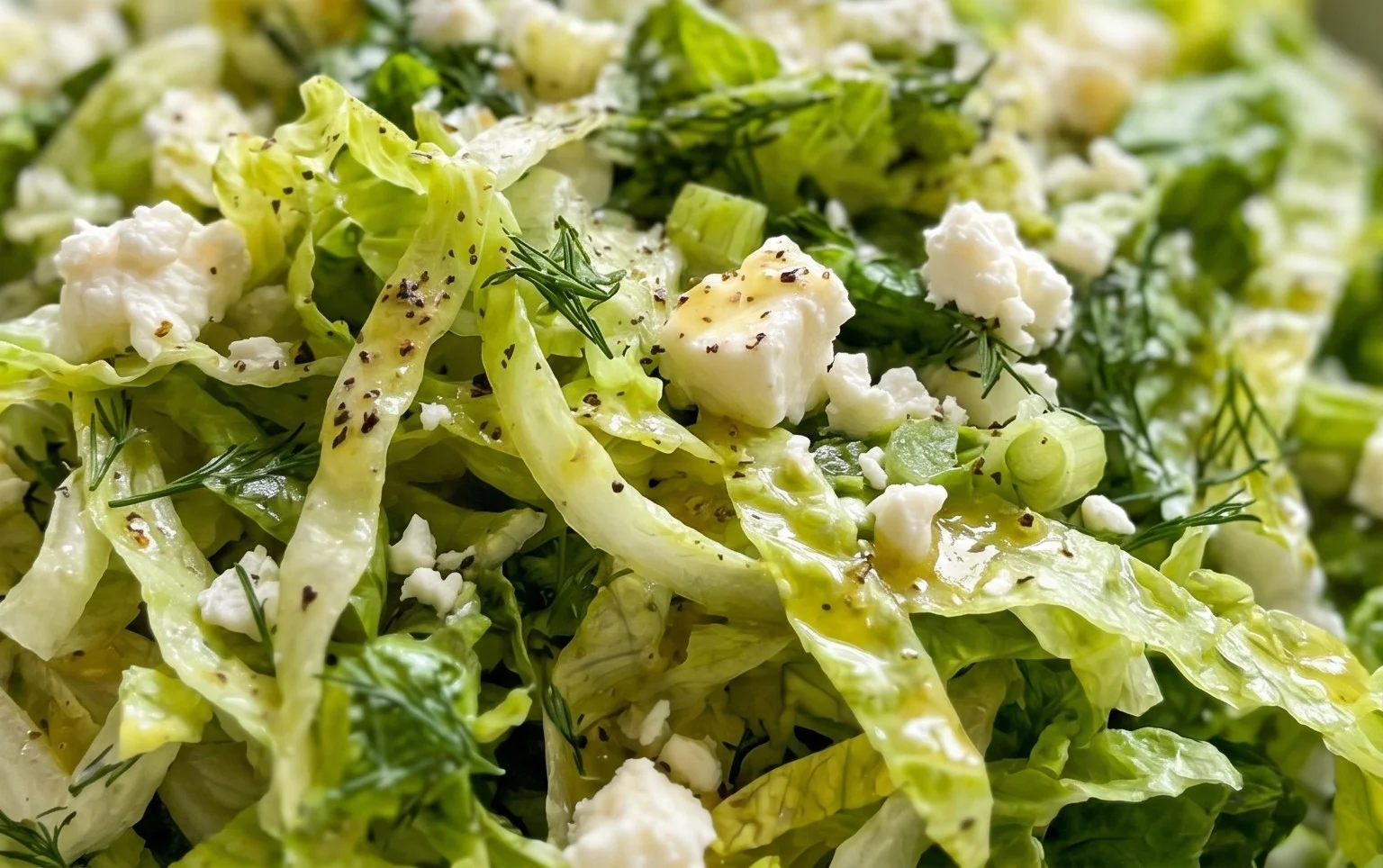
The beauty of Maroulosalata is that it’s best served immediately after it’s made to preserve the crispness of the lettuce and the vibrancy of the flavors. Give the salad one final, gentle toss to ensure everything is perfectly combined. Taste a piece of lettuce to check the seasoning. If you feel it needs a little more salt or a touch more lemon, you can add it now. Sometimes, a tiny pinch more salt or a squeeze of extra lemon can really make the flavors pop. If you like, you can reserve a little bit of chopped dill and a few extra crum extractbles of feta to sprinkle over the top just before serving for an extra visual appeal and burst of flavor. Serve this delightful Greek lettuce salad as a light and refreshing appetizer, a side dish to your main course, or even as a healthy and satisfying lunch. Its simplicity is its strength, making it a truly beloved dish.
Conclusion:
And there you have it – a simple yet utterly delicious Maroulosalata, a Greek lettuce salad that’s truly a taste of sunshine! This recipe is fantastic because it’s incredibly fresh, vibrant, and comes together in mere minutes, making it the perfect accompaniment to almost any meal. Its crisp lettuce, tangy dressing, and savory additions create a symphony of textures and flavors that will brighten up your plate. Whether you’re grilling souvlaki, enjoying a leisurely lunch, or looking for a healthy side dish, Maroulosalata is an absolute winner. I highly encourage you to give this classic Greek salad a try – it’s a recipe you’ll find yourself returning to again and again.
For serving suggestions, Maroulosalata shines alongside grilled meats, fish, or even as a light and refreshing standalone meal with some crusty bread. Feel free to get creative with variations! You can add crum extractbled feta cheese for extra tang, toasted nuts like walnuts or almonds for crunch, or even some Kalamata olives for a briny kick. Don’t be afraid to experiment and make it your own!
Frequently Asked Questions about Maroulosalata:
Q: Can I make Maroulosalata ahead of time?
A: It’s best to assemble this Greek lettuce salad just before serving to maintain the crispness of the lettuce. However, you can prepare the dressing and chop the vegetables a few hours in advance and store them separately in the refrigerator.
Q: What kind of lettuce is best for Maroulosalata?
A: While romaine lettuce is traditional and provides a wonderful crunch, you can also use iceberg lettuce for a similar crisp texture or a mix of greens for added complexity.
Q: Are there any non-traditional additions I can make to my Maroulosalata?
A: Absolutely! Some people enjoy adding thinly sliced radishes for a peppery bite, capers for a salty burst, or even some fresh dill for an herbaceous note. The beauty of this salad is its adaptability!
Maroulosalata (Greek Lettuce Salad)
A refreshing and classic Greek lettuce salad with fresh herbs and a zesty lemon dressing. Perfect as a light side dish.
Ingredients
-
2 heads romaine lettuce, washed and chopped
-
3 green onions, finely chopped
-
½ cup fresh dill, finely chopped
-
½ cup crumbled feta cheese
-
2 tablespoons extra virgin olive oil
-
Juice of 1 lemon
-
½ teaspoon salt
Instructions
-
Step 1
Wash and thoroughly dry the romaine lettuce. Chop it into bite-sized pieces and place in a large salad bowl. -
Step 2
Add the finely chopped green onions to the bowl with the lettuce. -
Step 3
Stir in the chopped fresh dill. -
Step 4
In a separate small bowl, whisk together the olive oil, fresh lemon juice, and salt to create the dressing. -
Step 5
Pour the dressing over the salad ingredients. -
Step 6
Gently toss all the ingredients together until evenly coated. Add the crumbled feta cheese and toss lightly once more.
Important Information
Nutrition Facts (Per Serving)
It is important to consider this information as approximate and not to use it as definitive health advice.
Allergy Information
Please check ingredients for potential allergens and consult a health professional if in doubt.