Perfect Ramen Eggs Ajitama – Flavorful & Easy
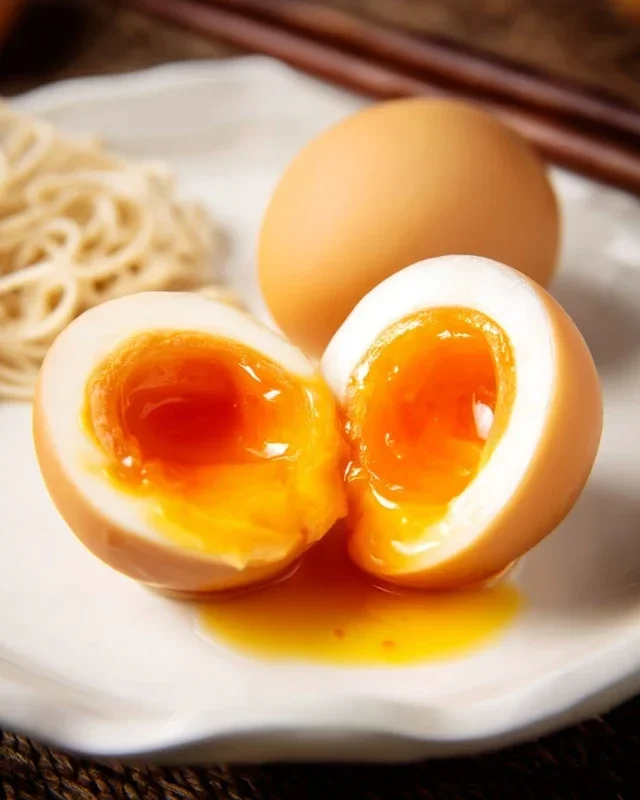
Ramen eggs, or ajitama, are an absolute game-changer when it comes to elevating your noodle soup experience. These marinated, soft-boiled eggs are more than just a topping; they’re a flavorful revelation that transforms a simple bowl of ramen into a culinary masterpiece. I absolutely adore them because that perfectly jammy yolk, infused with the savory, umami-rich marinade, creates a burst of pure bliss with every bite. What makes these ramen eggs truly special is the incredible depth of flavor they bring – a delightful balance of soy sauce, non-alcoholic mirin, and sometimes non-alcoholic sake, creating a taste that’s both comforting and complex. Forget bland, ordinary boiled eggs; ajitama are the golden ticket to unlocking that authentic ramen shop flavor right in your own kitchen. Let’s dive into how you can create these addictive ramen eggs yourself!
Ramen Eggs (Ajitama)
There’s something incredibly satisfying about a perfect bowl of ramen. And what elevates a good bowl of ramen to a truly spectacular one? It’s often the little things, and for me, that’s the Ramen Egg, or Ajitama. These marinated soft-boiled eggs are a true game-changer, offering a creamy, custardy yolk that bursts with savory, slightly sweet flavor. Making them at home is surprisingly simple, and once you’ve mastered this recipe, you’ll find yourself adding them to more than just ramen – think rice bowls, salads, or even just as a delicious snack.
The magic of Ajitama lies in the perfect balance of a perfectly cooked soft-boiled egg and a flavorful marinade that infuses the egg over time. We’re aiming for a yolk that’s still a bit jammy and runny, but not so undercooked that it’s purely liquid. The marinade is where the real flavor comes in, transforming a humble egg into a culinary masterpiece.
Let’s get started with what you’ll need to create these delightful morsels.
Ingredients:
*Note: For the best Ajitama, I highly recommend using eggs that are a few days old. Fresher eggs tend to be harder to peel after boiling. If you only have very fresh eggs, you can try adding a splash of vinegar to the boiling water, which is believed to help firm up the egg whites and make peeling easier.
Preparing Your Eggs
The first crucial step is to achieve that perfect soft-boiled egg. This is where most people get a little nervous, but trust me, with a bit of attention, you’ll get it right.
1. Bring Water to a Boil: In a medium saucepan, bring enough water to a boil to completely submerge your eggs. You want to ensure they’re floating freely. If you’re using vinegar, add about a tablespoon to the boiling water at this stage. This is optional, but can help with peeling, especially with fresher eggs.
2. Carefully Add Eggs and Boil: Once the water is at a rolling boil, gently lower your eggs into the water using a slotted spoon. Be careful not to drop them, as this can cause them to crack. Let them boil for exactly 6.5 to 7 minutes. I know it sounds precise, but this is the sweet spot for achieving that wonderfully jammy yolk. Any less and your yolk will be too runny; any more and it will be fully cooked and solid, which isn’t what we’re aiming for here. While the eggs are boiling, prepare an ice bath. Fill a bowl with ice and cold water.
3. Ice Bath and Peeling: As soon as the 6.5 to 7 minutes are up, immediately transfer the eggs from the boiling water into the ice bath. Let them sit in the ice bath for at least 10-15 minutes. This stops the cooking process instantly, preventing the yolks from continuing to cook from residual heat. Once cooled, carefully peel the eggs. The ice bath and the optional vinegar should make this process much easier. Gently tap the egg on a hard surface all around, then roll it between your hands to loosen the shell before peeling under cool running water if needed. Don’t worry if you have a few small nicks; the marinade will hide them.
Crafting the Flavorful Marinade
Now for the fun part – creating the marinade that will transform these simple eggs into Ajitama. This is a classic combination that’s hard to beat.
4. Combine Marinade Ingredients: In a small saucepan, combine the light sodium soy sauce, water, non-non-non-alcoholic alternativeic non-alcoholic mirin, and granulated sugar. Place this saucepan over medium heat. Stir gently until the sugar has completely dissolved. You don’t need to bring it to a boil; just ensure everything is well combined and the sugar is no longer gritty. Once dissolved, remove the saucepan from the heat and let the marinade cool down to room temperature. This is important; we don’t want to cook the eggs further with a hot marinade.
Marinating the Eggs
This is where the magic happens over time. Patience is key here!
5. Marinate and Chill: Once the marinade has cooled, carefully place your peeled, soft-boiled eggs into a resealable bag or a small, airtight container. Pour the cooled marinade over the eggs, ensuring they are fully submerged. If using a bag, gently press out as much air as possible before sealing. If using a container, make sure the lid is tight. Now, transfer the container or bag to the refrigerator. Let the eggs marinate for at least 4 hours, but for the best flavor, I recommend marinating them for 12 to 24 hours. You can even marinate them for up to 3 days, but the yolk will continue to cook and become firmer, and the flavor more intense. I like to flip the eggs every few hours during the marinating process to ensure even coloring and flavor distribution.
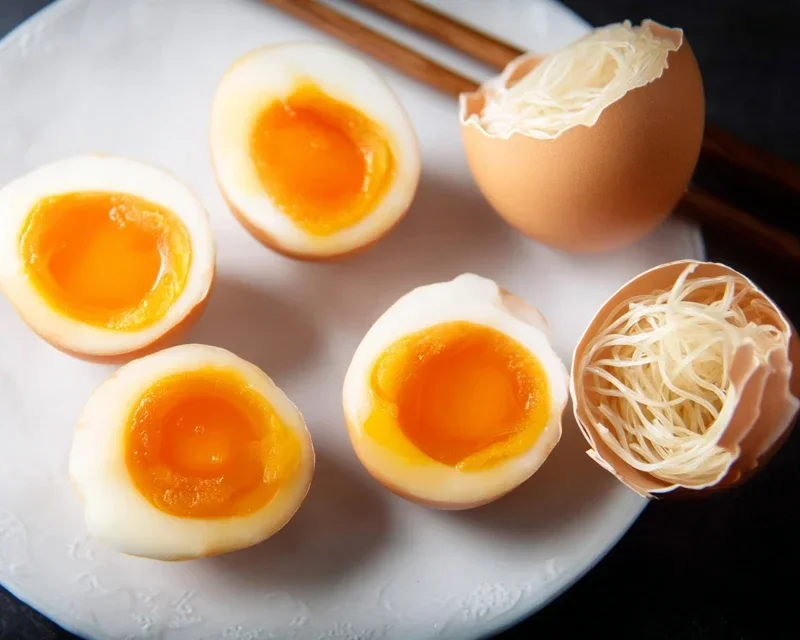
When you’re ready to serve, gently remove the eggs from the marinade. You can slice them in half lengthwise to reveal that beautiful, jammy yolk. They are a perfect addition to any ramen dish, a vibrant topping for a poke bowl, or even enjoyed on their own. The leftover marinade is also incredibly flavorful and can be used as a dipping sauce or a base for other marinades. Enjoy your delicious, homemade Ajitama!
Conclusion:
Making ramen eggs, or ajitama, at home is truly a game-changer for elevating your noodle bowls. These perfectly jammy, marinated eggs are surprisingly simple to prepare and add an incredible depth of flavor and a luxurious texture that store-bought versions just can’t replicate. The magic lies in the balance of the soy sauce, non-alcoholic mirin, and other savory elements that permeate the egg, turning an ordinary ingredient into something extraordinary. I really encourage you to give this ramen eggs recipe a try! They’re not just for ramen either; these delicious marinated eggs are fantastic on their own as a snack, added to rice bowls, or even topping salads. You can also get creative with variations! Try adding a touch of chili flakes to the marinade for a spicy kick, or a splash of non-alcoholic sake for an extra layer of complexity. The possibilities are endless, and the satisfaction of biting into a perfectly seasoned, gooey ramen egg is absolutely worth it. So go ahead, whip up a batch and enjoy!
Frequently Asked Questions:
How long do ramen eggs last in the refrigerator?
Once marinated, your ramen eggs can be stored in an airtight container in the refrigerator for up to 3-4 days. They often taste even better on the second day as the flavors have more time to meld.
Can I use different types of soy sauce for the marinade?
Absolutely! While standard soy sauce is the classic choice, you can experiment with low-sodium soy sauce if you prefer less salt, or even tamari for a gluten-free option. Just be aware that different soy sauces will impart slightly different flavors.
My eggs are not peeling easily. What can I do?
To ensure easy peeling, make sure your eggs are not super fresh. Eggs that are about a week old tend to peel more readily. Also, plungin extractg the cooked eggs immediately into an ice bath after boiling helps to stop the cooking process and makes peeling much easier.
Ramen Eggs (Ajitama)
Perfectly marinated soft-boiled eggs for ramen, with a savory and slightly sweet flavor.
Ingredients
-
6 large eggs
-
½ cup soy sauce (light sodium)
-
¼ cup water
-
¼ cup non-alcoholic mirin
-
2 tablespoons granulated sugar
Instructions
-
Step 1
Gently place eggs in a saucepan and cover with cold water by about an inch. Add a splash of vinegar if desired. -
Step 2
Bring water to a rolling boil over high heat. Once boiling, reduce heat to medium-low and cook for exactly 7 minutes. -
Step 3
Immediately transfer eggs to an ice bath for at least 10 minutes to stop the cooking process and make them easier to peel. -
Step 4
While eggs are cooling, whisk together soy sauce, water, non-alcoholic mirin, and granulated sugar in a bowl or resealable bag until sugar is dissolved. -
Step 5
Carefully peel the cooled eggs. -
Step 6
Place peeled eggs in the marinade mixture, ensuring they are fully submerged. Marinate in the refrigerator for at least 4 hours, or preferably overnight for best flavor.
Important Information
Nutrition Facts (Per Serving)
It is important to consider this information as approximate and not to use it as definitive health advice.
Allergy Information
Please check ingredients for potential allergens and consult a health professional if in doubt.