Gyeran Mari – Easy Korean Rolled Omelette Recipe
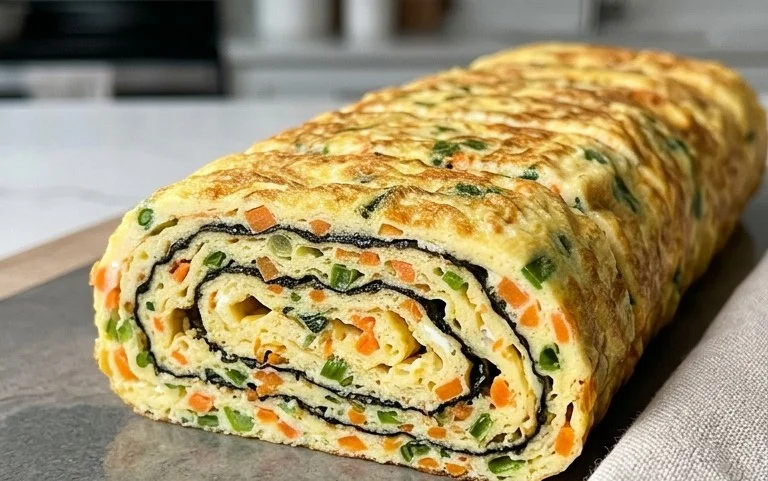
Gyeran Mari, the delightful Korean rolled omelette, is a dish that has captured my heart (and my stomach!) for so many reasons. It’s more than just a simple omelette; it’s a testament to the beauty of simplicity and the incredible versatility of eggs. Imagin extracte a fluffy, golden creation, often studded with vibrant pops of color from finely chopped vegetables like carrots, scallions, and bell peppers, all rolled into a neat, impressive log. This is the magic of Gyeran Mari.
What Makes Gyeran Mari So Special?
People adore Gyeran Mari not only for its visual appeal, making it a fantastic addition to any bento box or as a crowd-pleasing appetizer, but also for its incredibly satisfying texture and subtle yet delicious flavor. It’s the perfect balance of soft and slightly firm, with each bite offering a burst of savory goodness. Whether enjoyed plain or with a side of soy sauce for dipping, this Korean rolled omelette is a comforting and elegant dish that’s surprisingly easy to master in your own kitchen. Get ready to fall in love with Gyeran Mari!
Gyeran Mari (Korean Rolled Omelette)
Gyeran Mari, a delightful Korean rolled omelette, is a staple in Korean cuisine. It’s incredibly versatile, often appearing as a side dish (banchan) or even as a light meal. What I love about Gyeran Mari is its simplicity and how it can be customized with different fillings. It’s a dish that’s as beautiful to look at as it is delicious to eat, with its distinct layers and vibrant colors. It’s perfect for packed lunches, picnics, or just a simple, comforting addition to any meal. The process might seem a little intimidating at first, but once you get the hang of it, you’ll be rolling perfect omelettes in no time!
Ingredients:
Cooking Instructions:
Let’s get started on creating your very own Gyeran Mari! The key to success here is patience and a gentle touch. Don’t worry if your first attempt isn’t perfectly shaped; it will still taste amazing.
Step 1: Preparing the Egg Mixture
The first thing we need to do is get our egg base ready. Crack the 5 medium eggs into a medium-sized bowl. It’s important to use fresh eggs for the best flavor and texture. Add the salt and pepper to the eggs. The salt helps to season the omelette evenly, and a touch of pepper adds a subtle warmth. Now, take a whisk or a fork and beat the eggs thoroughly. You want to break up the yolks and whites completely and incorporate some air into the mixture. This will make the omelette lighter and fluffier. Don’t over-beat it to the point of creating excessive foam, but ensure it’s well combined and a uniform yellow color.
Step 2: Adding the Vegetables
Next, we’ll add our colorful additions to the egg mixture. Finely chop the green onion and the carrot. You can chop the carrot into very small pieces or grate it; either works well. The green onion adds a fresh, slightly pungent flavor and a beautiful green fleck to the omelette. The carrot provides a touch of sweetness and a vibrant orange hue. Gently fold the chopped vegetables into the beaten eggs. You want to distribute them evenly throughout the mixture, but be careful not to crush the delicate green onion pieces too much. This step is where you can get creative with other additions like finely chopped bell peppers, corn, or even a sprinkle of cheese, though for this classic recipe, we’re keeping it simple with the green onion and carrot.
Step 3: Heating the Pan
For this recipe, a non-stick frying pan is your best friend. A rectangular or square pan is ideal as it makes rolling easier and results in a neater omelette, but a round pan will work perfectly fine too. Place the pan over medium-low heat. It’s crucial to control the heat to prevent the eggs from cooking too quickly and burning. Add the 1 teaspoon of neutral oil to the pan. Swirl the pan to coat the bottom evenly with the oil. You want the oil to be hot enough to sizzle gently when you add the egg mixture, but not smoking. A good indicator is when a drop of egg mixture added to the pan immediately starts to set.
Step 4: Cooking the First Layer and Rolling
Now comes the rolling part! Pour a thin layer of the egg and vegetable mixture into the heated pan. You don’t want too much egg at once, just enough to create a thin, even layer. Let the egg cook undisturbed for about 30-60 seconds, or until the bottom is set and the edges start to look cooked. You’ll see the egg begin extractning to solidify. Gently lift one edge of the cooked egg with your spatula and start to roll it towards the other side. Don’t worry if it’s not a tight roll at this stage; just aim to get it started. Once you’ve rolled about half of the omelette, push it to one side of the pan.
Step 5: Building and Finishing the Roll
With the first rolled portion pushed to one side, pour another thin layer of the egg mixture into the empty space of the pan. Let this new layer cook until it’s almost set, then carefully unroll the first portion over the new layer, essentially wrapping the new egg around the existing roll. Continue this process, adding thin layers of egg mixture and rolling, until all the egg mixture is used up. Each time you add more egg, allow the bottom to set slightly before rolling the existing omelette over it. This layering technique builds up the omelette and creates those beautiful, distinct layers. Once the entire omelette is rolled and cooked through, gently press it with your spatula to seal it and ensure it holds its shape. You can cook it for another minute or two, turning it gently, to ensure the outside is golden brown and evenly cooked.
Step 6: Slicing and Serving
Once your Gyeran Mari is beautifully rolled and cooked, carefully slide it out of the pan onto a cutting board. Let it cool for a minute or two. This helps it firm up and makes it easier to slice cleanly. Use a sharp knife to cut the omelette into bite-sized pieces, about 1-inch thick. You’ll be able to see the lovely layers of egg and vegetables within each slice. Arrange the slices on a plate, and serve immediately. Gyeran Mari is delicious served warm on its own, or it can be accompanied by a side of soy sauce for dipping, or enjoyed as part of a larger Korean meal. Enjoy your homemade Gyeran Mari!

Conclusion:
And there you have it – a guide to creating your very own delicious Gyeran Mari! This Korean rolled omelette is truly a gem in the culinary world. Its simplicity belies its incredible versatility and satisfying taste. Whether you’re a seasoned cook or just starting out, this recipe is incredibly accessible and forgiving, making it a perfect addition to your weeknight meal repertoire or a delightful brunch option. The beauty of Gyeran Mari lies in its ability to be both a standalone dish and a fantastic side, soaking up sauces beautifully and adding a comforting eggy texture to any spread. I genuinely encourage you to give this recipe a try; you’ll be amazed at how easily you can master this technique and enjoy a taste of Korea right in your own kitchen.
For serving, I love to enjoy Gyeran Mari on its own with a side of kimchi, or as part of a larger Korean meal with other banchan. It also makes for a wonderful filling in kimbap! Don’t be afraid to get creative with variations. You can add finely chopped scallions, carrots, or even a sprinkle of cheese for an extra layer of flavor and texture. Experiment with different fillings like diced beef ham or bell peppers to make it your own. The possibilities are truly endless!
Frequently Asked Questions about Gyeran Mari:
Can I make Gyeran Mari ahead of time?
Yes, you can! Gyeran Mari is best served warm, but it still tastes good at room temperature. You can prepare it a few hours in advance and keep it covered at room temperature. For longer storage, let it cool completely, wrap it tightly, and refrigerate for up to 2 days. Gently reheat it in a non-stick pan or microwave.
My omelette is breaking when I try to roll it. What am I doing wrong?
Don’t worry, this is a common begin extractner’s challenge! Ensure your pan is adequately greased and on medium-low heat. Don’t rush the rolling process. Let each layer cook through until mostly set before attempting to roll. Sometimes, gently lifting the cooked portion with your spatula can help get the initial roll started. Practice makes perfect, and even a slightly imperfectly rolled Gyeran Mari will taste delicious!
What kind of pan is best for making Gyeran Mari?
A non-stick rectangular or square frying pan is ideal, as it makes rolling much easier and helps achieve those neat layers. However, if you don’t have a specific pan, a good quality round non-stick skillet will also work. You might just need to adjust your rolling technique slightly.
Gyeran Mari (Korean Rolled Omelette)
A simple and delicious Korean rolled omelette, perfect for a quick meal or side dish. It’s visually appealing and versatile, often enhanced with vegetables.
Ingredients
-
5 medium eggs
-
1 green onion (chopped)
-
2 tbsp carrot (chopped or grated)
-
1/4 tsp salt
-
1/8 tsp black or white pepper
-
1 tsp neutral oil
Instructions
-
Step 1
In a medium bowl, whisk together the eggs, chopped green onion, chopped carrot, salt, and pepper until well combined. Ensure no egg white or yolk remains unmixed. -
Step 2
Heat the neutral oil in a non-stick skillet over medium-low heat. Swirl the oil to coat the bottom evenly. -
Step 3
Pour about one-third of the egg mixture into the hot skillet. Let it cook for about 1-2 minutes until the bottom is set but the top is still slightly wet. -
Step 4
Starting from one edge of the skillet, carefully roll the cooked omelette towards the opposite edge. If it’s difficult to roll, gently lift the cooked part and allow the uncooked egg to flow underneath. -
Step 5
Once rolled into a log, push it to the edge of the skillet that you started from. Pour another third of the egg mixture into the empty space, lifting the rolled omelette slightly to let the new egg mixture flow underneath. -
Step 6
When the new layer is mostly set, roll the existing omelette log over the new layer, adding to its thickness. Repeat this process with the remaining egg mixture. -
Step 7
Once fully rolled and cooked through, remove the omelette from the skillet. Let it cool for a few minutes before slicing into thick pieces.
Important Information
Nutrition Facts (Per Serving)
It is important to consider this information as approximate and not to use it as definitive health advice.
Allergy Information
Please check ingredients for potential allergens and consult a health professional if in doubt.